
My Thoughts
The National Education Plan Signals Renewal; Implementation Will Decide Its Success

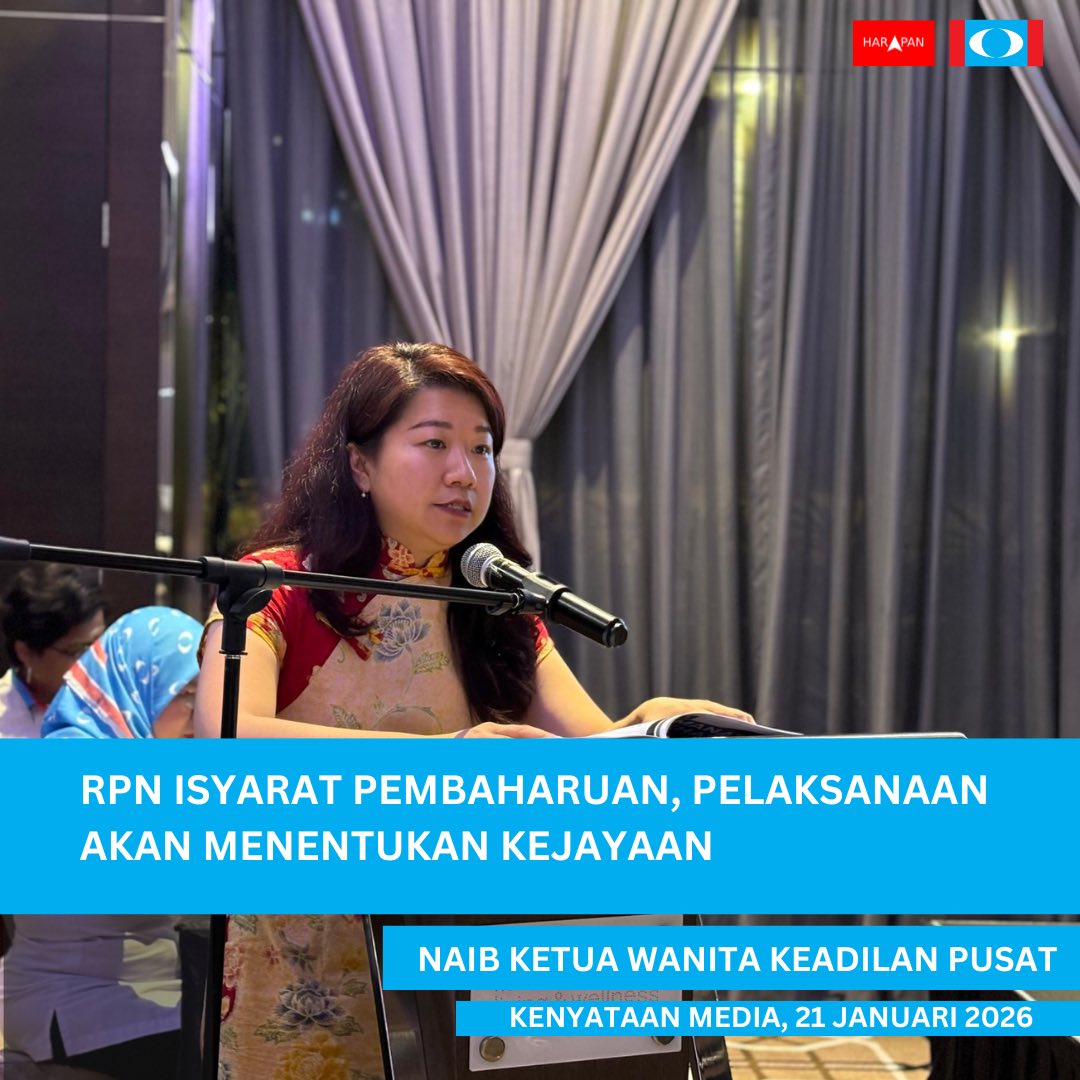
I welcome the launch of the National Education Plan (RPN) 2026–2035 by the Prime Minister, Datuk Seri Anwar Ibrahim, as an effort to restructure national education policy in a more strategic, long-term way.
The RPN sends a clear signal that education reform must go beyond administrative or symbolic change and focus on structural improvements that directly affect the quality of learning, teacher professionalism and pupil wellbeing.
The key reforms highlighted, including a flexible entry age for Year 1, stronger early childhood education and an emphasis on critical thinking and holistic learning, are in line with current needs.
However, the success of these reforms depends entirely on a clear implementation framework, the readiness of the various types of schools in the national education system, and the capacity of existing support systems to cope with significant policy change.
I want to stress that implementing the RPN must be accompanied by consistent investment in teacher training, curriculum improvement, lighter administrative burdens, and transparent monitoring and evaluation mechanisms.
That said, the success of these reforms will be all the more meaningful if it is supported by a clear implementation framework, good coordination between the various layers of the national education system, and stronger existing support systems to accompany transformative policy change. A structured and inclusive approach will ensure the RPN’s aspirations are carried through consistently at every level of implementation.
Accordingly, implementing the RPN should go hand in hand with continued investment in teachers’ professional development, relevant curriculum improvements, rationalised administrative workloads and stronger, transparent monitoring and evaluation. These steps will not only make the policy more effective but also strengthen the confidence of teachers and parents as strategic partners in making education reform succeed, especially for middle- and low-income communities and rural areas.
From the perspective of women and working mothers, the RPN also opens space to be strengthened as part of a more comprehensive ecosystem of early childhood care and development. Adjusting the school entry age and restructuring preschool can be put to best use when supported by wider access to quality, safe and affordable early childhood care, including more public preschools, harmonised standards for care centres and progressive support policies for working parents. This integrated approach could empower women without adding to their burden, in line with aspirations for family wellbeing and national human capital development.
Without clear integration between education policy and family wellbeing policy, education reform risks adding to the burden on women, especially mothers, who are the backbone of early childcare.
In closing, we all have a responsibility to ensure that the RPN does not remain just a policy document, but is carried out through implementation that is transparent, measurable and responsive to realities on the ground.
Women’s leadership in the Malaysia MADANI government will continue to play an active role in ensuring this education reform is carried out fairly and inclusively, centred on the wellbeing of children and families, with clear accountability to the people.